

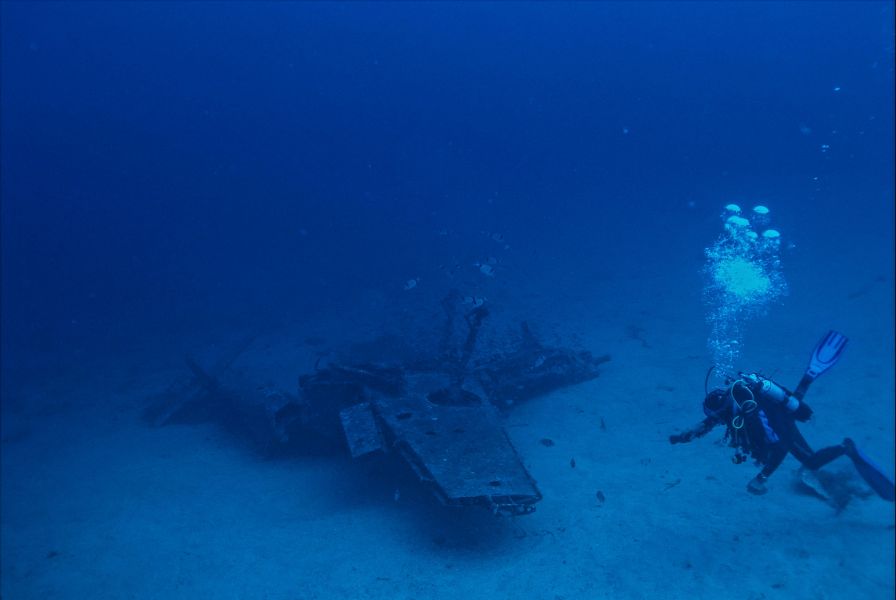
NASA, the agency famous for its groundbreaking space missions, also had an intriguing chapter in its history dedicated to ocean exploration. From the early days of space exploration, NASA recognized the importance of studying Earth’s oceans and their potential to provide insights into the planet’s history, climate, and atmosphere. NASA has used ocean exploration to draw parallels with space exploration, for example, by studying marine life to understand the potential for life on other planets.
However, over the years, NASA moved away from exploring the depths of the ocean. This decision was driven by several factors, including limited resources, high operational costs, and a shift in priorities toward more ambitious space missions. In this article, we’ll explore why NASA stopped exploring the ocean, what challenges the agency faced, and the key factors that led to this decision. We’ll also examine how ocean exploration continues today and the role that other specialized organizations, such as NOAA, have played in assuming the reins.
Why did NASA stop exploring the ocean?
NASA ceased focusing on ocean exploration primarily due to resource limitations, budget constraints, and a shift in priorities towards space missions. As space exploration became more advanced and costly, ocean exploration programs faced challenges like limited funding and the absence of suitable technologies for deep-sea research. Other agencies, such as NOAA, assumed responsibility for ocean exploration.
The History of NASA’s Ocean Exploration Efforts
NASA’s initial involvement in ocean exploration dates back to the early 1960s, when the agency began developing technology for studying Earth’s oceans. One of the main reasons for NASA’s interest was the expectation that the ocean’s ecosystem could provide valuable insights into space exploration, particularly for understanding the conditions for life on other planets.
In the 1960s and 70s, NASA’s ocean exploration was intertwined with its space programs. For instance, the agency’s Earth Sciences Division and space missions like Apollo had a strong oceanographic component. NASA even conducted experiments with underwater vehicles, sonar systems, and satellite technology to study the ocean’s composition, currents, and marine life.
However, as NASA’s budget became increasingly constrained by an increasing focus on space exploration—such as the Apollo program, Mars missions, and the Space Shuttle—the agency’s ocean exploration programs began to lose funding. Over time, ocean exploration became less of a priority as the potential for discoveries in space appeared more urgent and lucrative.
Why Did NASA Move Away from Ocean Exploration?
NASA’s shift away from ocean exploration wasn’t an abrupt decision but rather a gradual process influenced by multiple factors. The following key points explain why NASA moved its focus away from ocean exploration:
Budget Constraints and Funding Priorities
NASA’s funding allocations were largely directed toward space exploration, which was viewed as a more critical area for scientific advancement and national security. The high operational costs of ocean exploration, including the maintenance of research ships, submarines, and specialized deep-sea equipment, also made ocean research less feasible.
Technological Limitations and Challenges
Exploring the deep ocean required advanced technologies, such as submersibles, remotely operated vehicles (ROVs), and sonar mapping. At the time, NASA’s focus on space technology meant that underwater technology was less developed. While space exploration saw major advancements in the 1970s and 1980s, ocean exploration remained limited by existing technology.
The Rise of NOAA and Specialized Agencies
As NASA shifted its focus from ocean exploration, agencies such as the National Oceanic and Atmospheric Administration (NOAA) assumed responsibility for ocean research. NOAA had the specific expertise in marine biology, oceanography, and atmospheric sciences that NASA lacked. These agencies could conduct more focused and cost-effective research, thereby reducing the burden on NASA.
How Has NASA’s Shift Impacted Ocean Exploration?
NASA’s decision to scale back ocean exploration did not mean the field was abandoned; rather, it enabled other agencies to assume the lead. NOAA and various academic institutions have taken over many of NASA’s original ocean research projects. However, NASA’s involvement in Earth sciences, including climate change research, has influenced the development of ocean research.
The Role of NASA’s Earth Science Division
While NASA is no longer directly involved in ocean exploration, it continues to monitor and study Earth’s oceans through satellite-based remote sensing technologies. NASA’s Earth Science Division uses satellite systems to track sea surface temperatures, ocean currents, and the health of marine ecosystems, providing valuable data for oceanographers and researchers worldwide.
What Challenges Did NASA Face in Ocean Exploration?
NASA’s efforts in ocean exploration faced several key challenges that contributed to the agency’s shift in focus:
- High Operational Costs: Ocean exploration requires substantial funding for specialized equipment, including submersibles, ROVs, and research vessels. Unlike space missions, which received substantial government and commercial backing, ocean exploration lacked comparable financial support.
- Limited Technology: The technology required to explore the deep ocean was less advanced than space technology of the time. The extreme conditions of the deep ocean, including high pressure, low temperatures, and a lack of light, made research difficult and costly.
- Environmental Factors: Unlike space exploration, which has been largely unmanned, deep-sea exploration requires human presence or high-level automation. These factors added complexity and cost to ocean exploration missions.
- Priority Shift Towards Space Missions: As NASA focused more on the possibilities of space exploration, the agency realized that its resources would be best utilized in missions like Apollo, Mars rovers, and the International Space Station. This shift made ocean research less of a priority.
Could NASA Return to Ocean Exploration?
Although NASA has largely shifted its focus to space exploration, the agency could re-enter the field of ocean exploration in the future, particularly given advances in technology and the growing importance of understanding the ocean’s role in climate change.
Advances in Deep-Sea Robotics
With advances in AI and underwater robotics, NASA could use state-of-the-art tools to explore the ocean’s depths. Autonomous vehicles and AI-driven robots are revolutionizing the way we explore remote ocean regions.
Collaborating with NOAA and Other Agencies
Given the growing importance of understanding climate change and ocean health, NASA could collaborate with NOAA and other agencies to conduct joint research that integrates space technology with marine sciences.
The Impact of Ocean Exploration on Climate Change Research
NASA’s focus on Earth sciences and climate change research could lead to renewed interest in ocean research. Understanding the ocean’s impact on global climate patterns could become a key area of research for NASA, especially as the planet faces more extreme weather events and rising sea levels.
Final Thoughts
NASA’s decision to cease ocean exploration was not made lightly; it resulted from budgetary constraints, technological limitations, and a shift in focus toward more advanced space missions. While ocean exploration was once regarded as a vital scientific pursuit, it became increasingly difficult to sustain amid the rapid advances in space exploration. Today, agencies such as NOAA continue the critical work of exploring the ocean’s depths, while NASA continues to study Earth’s oceans from space, using satellite technology to monitor changes in the ocean that directly affect climate.
FAQ’s
Why did NASA stop exploring the ocean?
NASA ceased ocean exploration due to budget constraints, the prioritization of space exploration, and technological limitations that made deep-sea exploration difficult and expensive.
What agency now handles ocean exploration?
The National Oceanic and Atmospheric Administration (NOAA) is the primary agency responsible for ocean exploration and marine research.
Could NASA return to ocean exploration?
While NASA has focused on space exploration, there are opportunities for the agency to re-engage in ocean exploration, particularly through collaboration with NOAA and advances in robotics and AI.
What challenges did NASA face in ocean exploration?
NASA faced challenges like high operational costs, limited technology for deep-sea exploration, and competition for funding with space exploration missions.
How is NASA involved in ocean research today?
NASA continues to monitor the ocean through Earth-observing satellites, studying sea surface temperatures, ocean currents, and marine ecosystems from space.
